



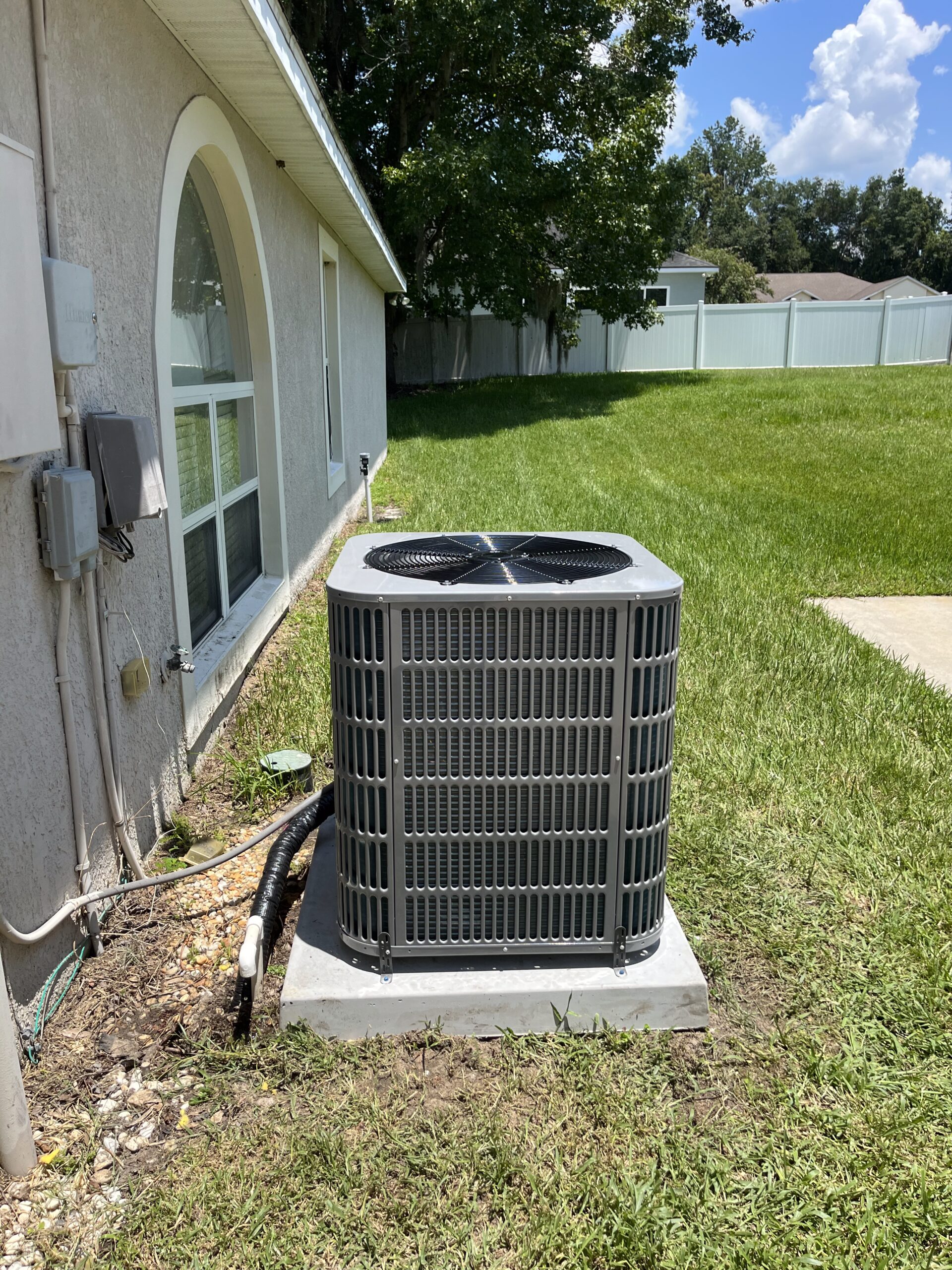
Summer heat waves bring brutal humidity that tests the limits of your cooling system. Staying on top of routine AC maintenance in Kissimmee, FL, keeps your system from running constantly without lowering indoor temperatures. When your unit runs endlessly without dropping the room temp, it isn’t just wasting power; it’s warning you that a breakdown is coming. Moisture, clogged lines, and worn components stack up fast under extreme load. Let’s break down the exact technical reasons why your home stays warm when the weather turns sticky, and how to fix it before your equipment shuts down for good.
1. High Indoor Moisture Overwhelms System Cooling
Summer here brings heavy, sticky humidity that forces your air conditioner to act like a full-time water extractor long before it ever drops the temp on your wall. Wet air holds heat like a sponge. When your system gets hit with peak afternoon moisture spikes, the workload spikes right along with it.
If your setup happens to be low on gas pressure or struggles against a clogged air filter, cooling stops dead in its tracks. The unit gets trapped in an endless cycle trying to wring water out of the room, burning up electricity without dropping your indoor temp even one degree.
- Blower motor running non-stop: Your fan keeps pushing air through the vents continuously because the thermostat never sees a real temperature drop.
- Wasted cooling power: The system consumes most of its juice pulling latent moisture out of the air instead of sending crisp, cold air through your living room.
2. Condensate Lines Clog and Restrict Air Circulation
All that water pulled straight out of your humid air has to go somewhere. It drips off the cold coils and drains through a small plastic pipe leading outside. Over months of non-stop use, airborne dirt, algae, and grime turn into a thick, nasty sludge inside that narrow line.
When that pipe backs up, your system hits a wall in two distinct ways:
- Safety switch shutoffs: Standing water fills up the emergency drain pan beneath your unit, tripping safety switches that make your system turn on and off randomly or quit completely.
- Frozen coils: Choked airflow stops warm room air from hitting the cooling coils. Lingering water freezes solid, turning your internal coil into a block of ice that completely blocks airflow.
3. Continuous Operation Wears Out Critical Components
Running an air conditioner around the clock on ninety-degree days bakes the electrical panel outside. Small electrical modules like run capacitors, relay contacts, and fan motors can take heat, sure, but forcing them to run without a breather pushes them straight past their thermal limits. Capacitors lose their charge, contacts burn out, and fan motors get hot enough to fry an egg. Eventually, safety sensors trip on the compressor to stop total mechanical collapse. When that happens, the outside unit shuts down completely while your indoor fan keeps blowing warm, muggy air right back into your rooms.
Getting an annual residential AC tune up service scheduled early in the season means a technician can test capacitors under heavy load, clean contacts, and replace weak parts before they leave you sweating through a hot weekend.
4. Dirty Exterior Fins Trap Heat Inside the System
Your outdoor unit has one main job: move heat from your home outside. But dirt, leaves, grass, and debris can cover the metal fins and trap that heat. When airflow drops, system pressure rises, and your compressor works harder. A licensed local HVAC maintenance contractor can clean the outdoor coil, remove built-up debris, improve airflow, and help your AC release heat properly without putting extra strain on the compressor.
5. Micro Leaks and Sizing Issues Stall Performance
Even a microscopic pinhole leak in your copper lines drops system pressure over time. As gas pressure bleeds off, your unit loses its physical ability to make the coils cold. The unit just sits there running constantly, trying to reach a temp setting it physically can’t hit anymore.
Equipment sizing creates the exact same headache:
- Undersized units: A system that is too small for your home's square footage runs all day on humid days, completely unable to match the heat load coming through your windows.
- Oversized units: A system that is too large cools the air too fast and shuts down before it can strip moisture out, leaving your house feeling cold, damp, and clammy.
Doing a full restoring air conditioner cooling efficiency check, including sealing pinholes, dialing in gas pressure, and balancing mechanical airflow, puts real cooling power right back where it needs to be.
Heavy summer moisture puts heavy mechanical stress on home cooling setups. When your unit runs all day without dropping interior temperatures, choked airflow, blocked condensate drains, filthy outdoor heat fins, or worn-out electrical parts are usually behind the issue. Leaving a struggling unit running non-stop drives up power bills fast and risks severe compressor damage. Taking simple, proactive steps catches small issues early, clears out dirty lines, and protects your equipment. Giving your system proper care brings back steady cooling performance, keeps indoor air dry, and extends the overall working lifetime of your setup.
Need fast, direct help restoring cold airflow and knocking down indoor humidity? Get your system running sharp today; call Chilly Billy Heating & Cooling now at 407-934-0823 Call our experts now!
FAQs
Everything You Need To Know Before You Book
Heavy moisture trapped inside your living space blocks natural skin cooling. If your unit fails to pull water from the air, room humidity stays high, making indoor spaces feel muggy and hot regardless of what your thermostat reads in Kissimmee, Florida.
Homes in Kissimmee, Florida, face massive cooling loads for most of the year. Getting a full mechanical checkup at least once a year keeps drain lines clear, coils clean, and electrical parts running smoothly through peak heat spells.
Ice formation in Kissimmee, Florida, usually points to restricted airflow from clogged air filters or drop-offs in refrigerant pressure. When warm air can't cross the coils, remaining line moisture turns to solid ice.